Bespoke Clothing Features Delivering Superior Comfort and Long-Term Wearability
 0
0
 0
0
Personal style reflects care in wardrobe selection while helping individuals maintain a polished appearance during everyday activities. Well-crafted clothing created through personal measurements offers improved ease with dependable performance over extended periods. Careful attention to materials together with skilled workmanship helps garments retain their shape and function through regular wear, making visit site resources valuable for tailoring insights.
Tailored Fit Precision
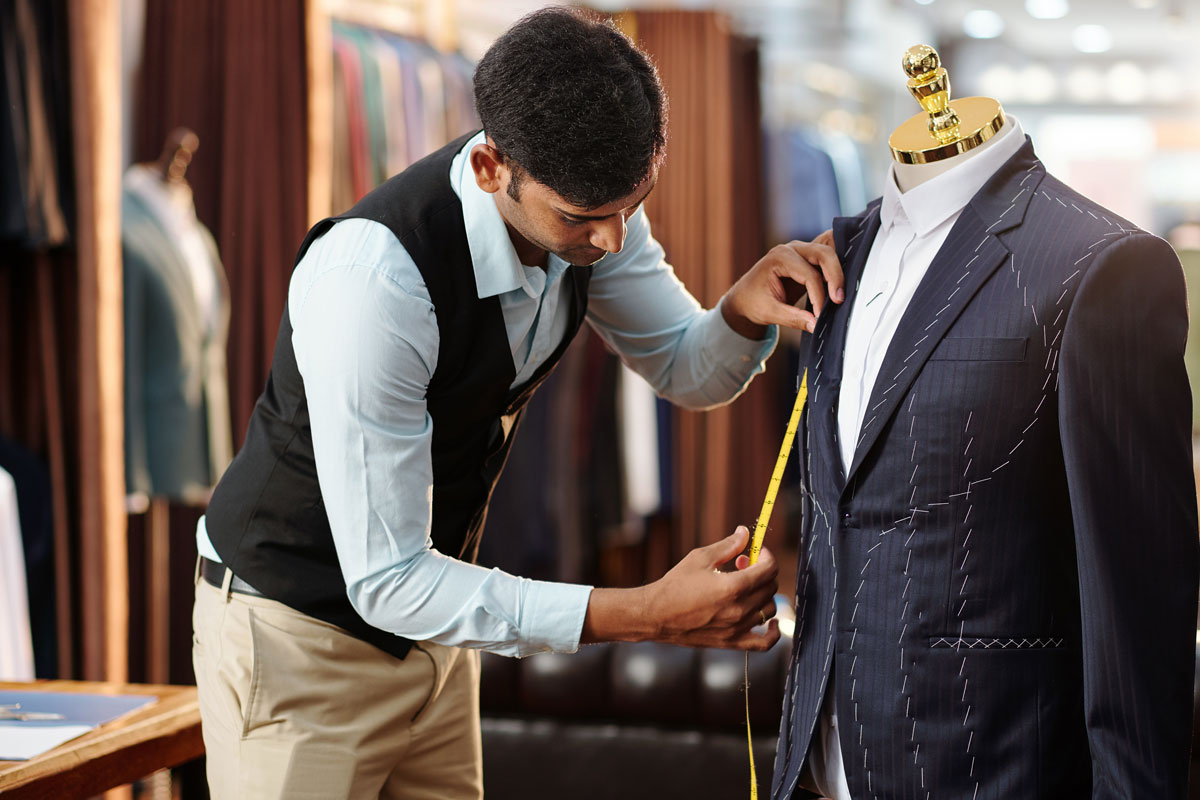
Accurate measurements allow each garment to follow natural body contours without unnecessary restriction. This approach helps create balanced proportions while supporting ease during movement. Proper shaping reduces common fitting concerns that often affect standard options. A refined fit also contributes to a neat presentation throughout different occasions.
Thoughtful Fabric Selection
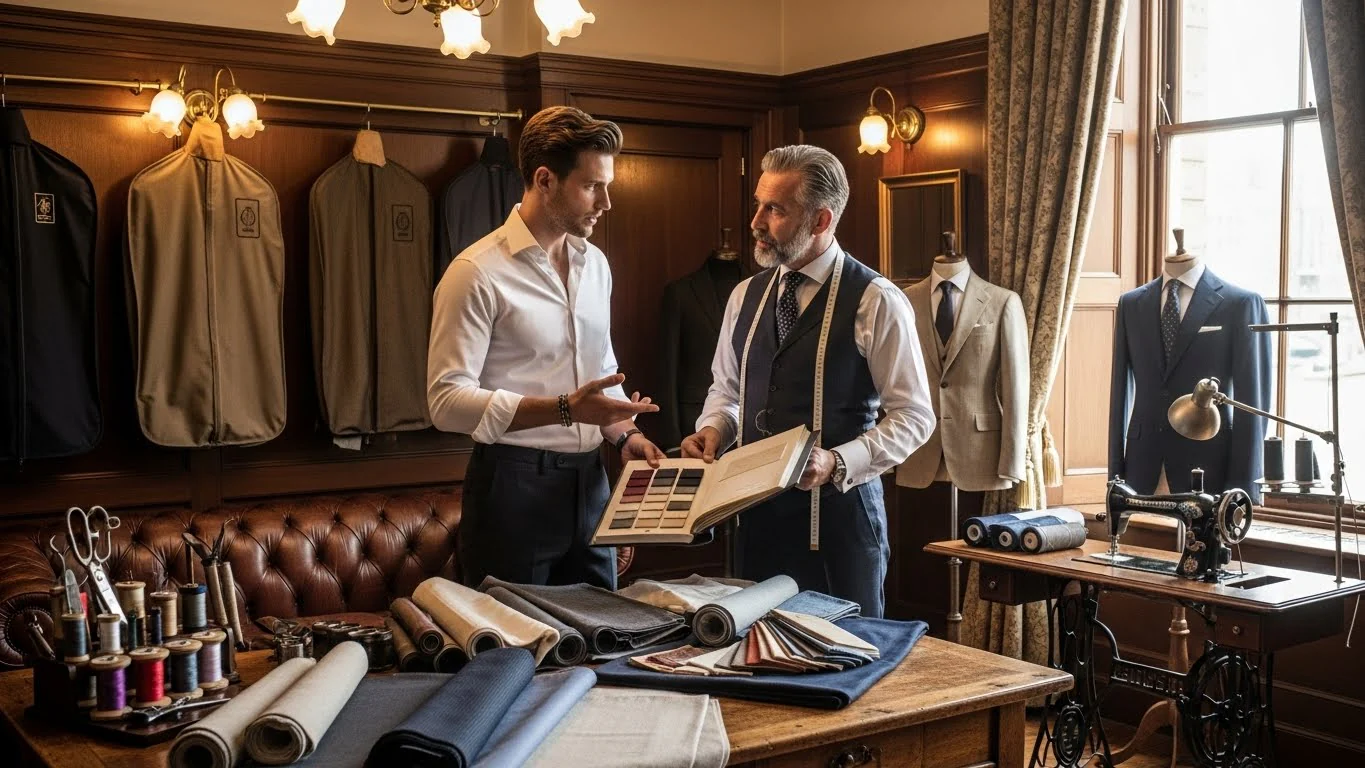
The choice of fabric greatly influences durability as well as overall satisfaction. Carefully chosen materials help maintain structure while remaining suitable for frequent use. Strong fibers contribute to dependable performance without losing their intended appearance. Attention to material quality supports lasting value across extended ownership.
Refined Stitching Quality
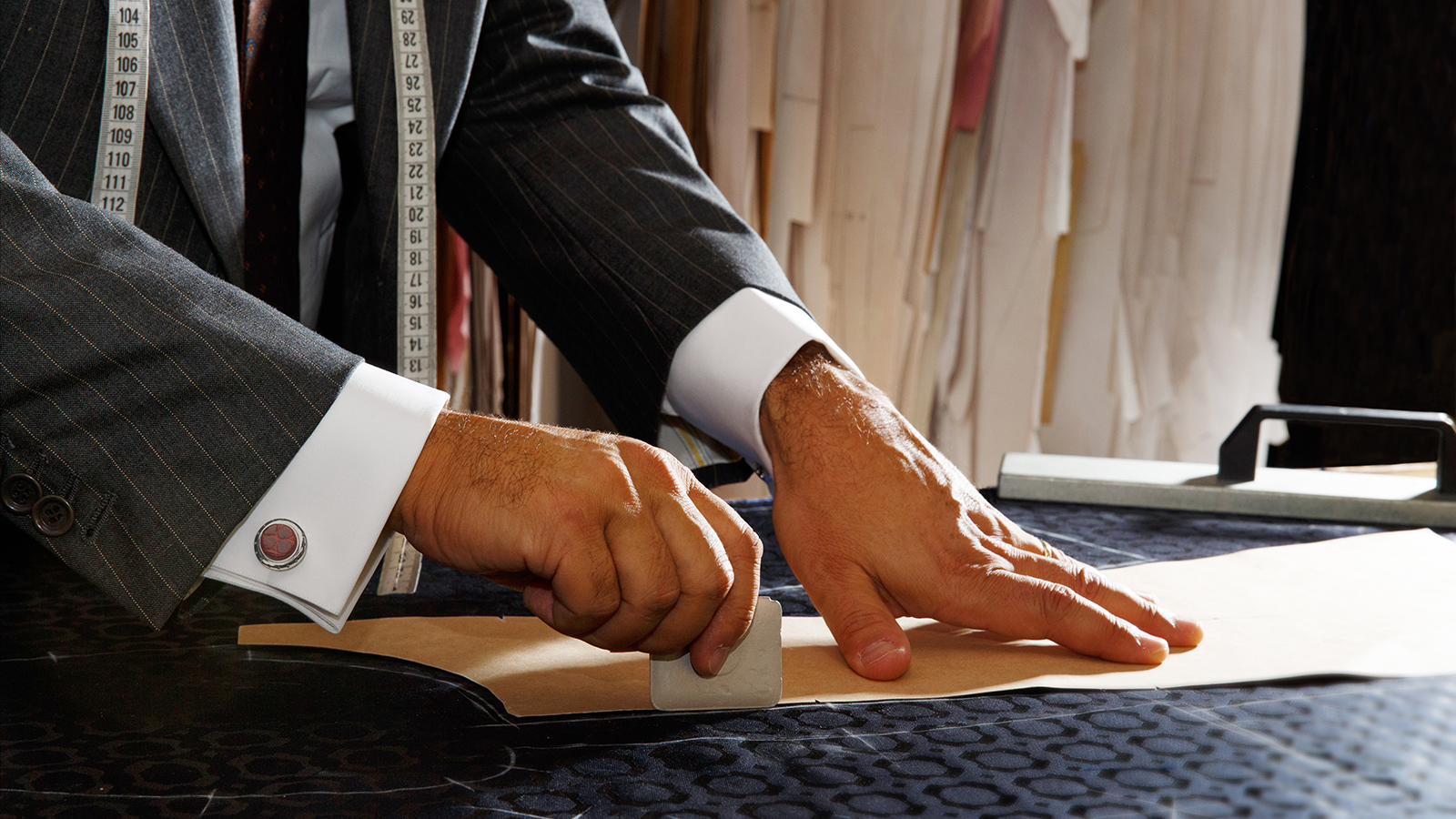
Expert workmanship plays an important role in creating dependable garments. Precise stitching strengthens important areas while helping maintain a consistent form. Careful assembly techniques reduce unnecessary strain during regular use. This level of craftsmanship contributes to clothing that remains presentable for longer periods.

Reliable Everyday Function
Garments designed with attention to detail often perform consistently throughout daily routines. Balanced construction supports flexibility while preserving a structured appearance. Individuals researching wardrobe standards often visit site resources for additional information about quality craftsmanship. Dependable construction encourages continued use with fewer concerns about premature wear.
Practical Design Details
- Clean finishing enhances appearance through regular wardrobe rotation periods.
- Strong seam placement improves durability during frequent daily movement.
- Balanced panel structure helps garments retain intended shape longer.
- Careful material pairing supports dependable performance across varied settings.
- Precise tailoring encourages ease while preserving refined visual appeal.
Small design choices contribute significantly to overall garment reliability. Each detail works together to create a polished result that remains functional through repeated wear. Attention to construction elements helps improve consistency while supporting long term satisfaction. These considerations strengthen overall wardrobe value through dependable performance.
Enduring Wardrobe Value
Investment in expertly crafted pieces can reduce the need for frequent replacements. Durable materials combined with careful construction help preserve appearance over time. Consistent workmanship supports long-lasting reliability across different settings. This method encourages greater appreciation for garments designed with long-term performance in mind.
FAQ
How does bespoke tailoring improve garment fit during regular use?
It follows personal measurements closely for balanced daily wear.
Why are quality materials important for long-lasting garments?
They help preserve structure while supporting dependable performance longer.
What makes tailored garments suitable for extended wardrobe use?
Careful craftsmanship encourages durability with a consistently refined appearance.