
How Do Professional Pest Inspections Locate Termite Activity Inside Concealed Structural Areas?
 0
 0
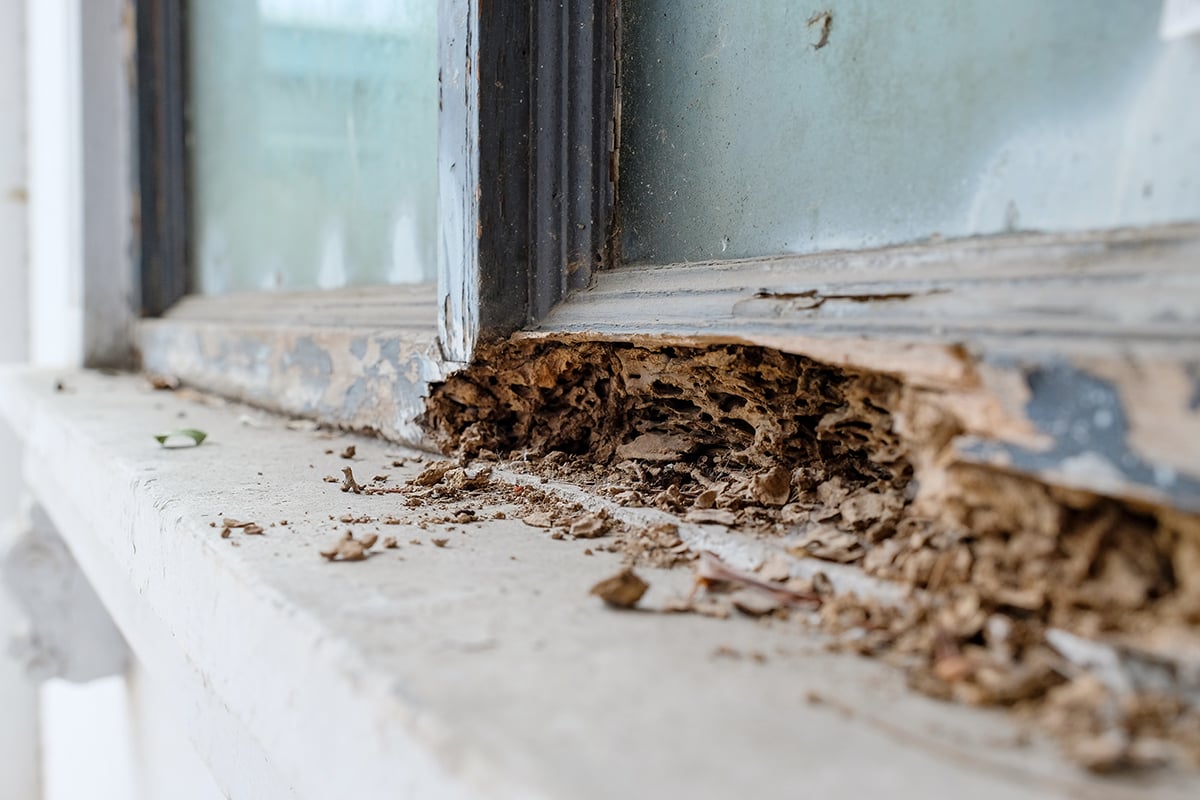
Termites rarely announce themselves on visible surfaces. Colonies feed behind drywall, under subfloors and in framing. Finding them demands tools that sense heat, water and motion. Quality pest control boerne texas relies on exactly this detective work. Skilled inspectors pair technology with trained judgment. Thermal cameras, meters, radar units and borescopes each reveal different evidence. Together, those readings expose colonies no flashlight would catch. The goal is locating colonies before structural repairs balloon.
Moisture Meters Expose Damp Hidden Tunnels
Subterranean termites haul wet soil into their tunnels to survive. That moisture seeps into nearby timber and wall linings. A pin or capacitance meter flags those zones without cutting. Plumbing leaks, though, produce identical numbers. Inspectors treat dampness as a lead, not proof.
Can Thermal Cameras See Through Drywall?
Infrared cameras map surface temperature, not insects. Active colonies and their mud create cooler patches on walls. A trained eye reads those anomalies for telltale shapes:
- Vertical streaks can trace hidden mud tubes.
- Irregular cool blobs may mark carton nests.
- Sharp rectangles often reflect studs, not termites.
- Sunlit walls distort readings and need rechecking.
Radar Sensors Track Movement Behind Walls
Microwave radar units sense motion through plaster and timber. Feeding termites shift enough to trigger the sensor. Readings display as a graph that spikes with activity. Since this method requires no drilling, walls stay intact. Thorough pest control boernetexas crews use it to confirm live colonies. That confirmation prevents treating long-abandoned galleries.
When Do Inspectors Drill Small Access Holes?
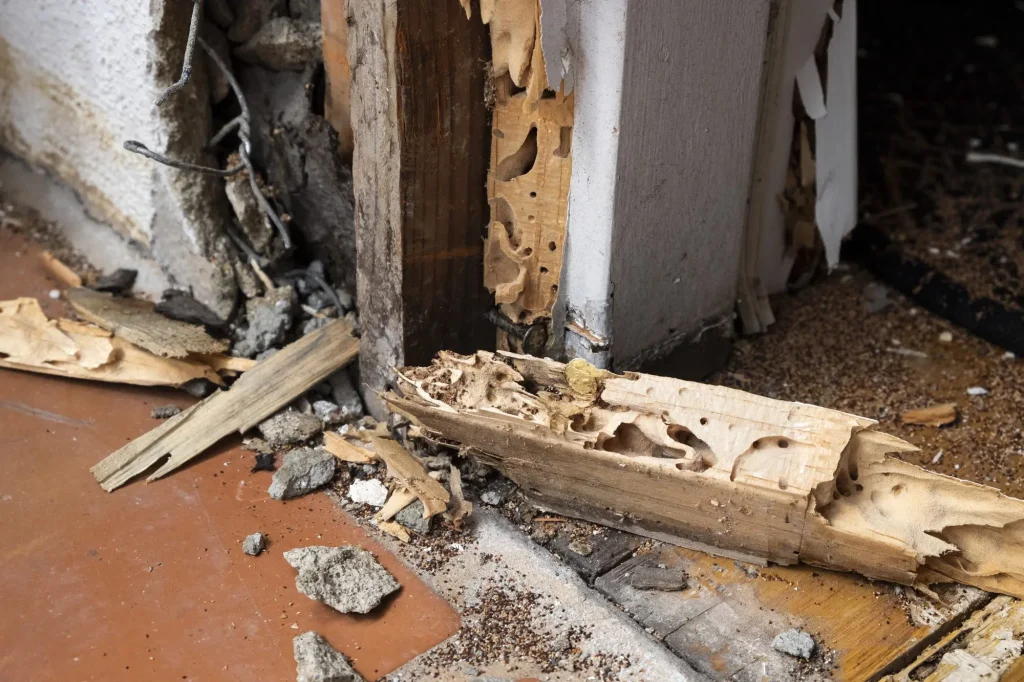
Once instruments flag a suspect cavity, a borescope offers proof. Inspectors drill a pencil-sized hole and insert the camera. These findings justify that step:
- Radar picked up steady movement.
- Meter readings spiked near exterior walls.
- Thermal images showed tube-like streaks.
- Paint bubbled over baseboard trim.
Why Do Inspectors Combine Several Detection Tools?
Each instrument has a blind spot. Thermal readings shift with weather and sunlight. Moisture meters miss drywood species entirely. Radar can register vibration from appliances or wind. When three tools agree on one cavity, confidence climbs sharply. Cross-checking also keeps unnecessary drilling to a minimum.
A Pencil-Sized Hole Tells the Story
Modern detection measures success by what stays untouched. Decades ago, confirming a colony meant ripping drywall out by the sheet. Today, one pencil-sized hole can settle the question. The search itself no longer rivals the termites for destruction. Precision, in other words, protects the house twice.
Frequently Asked Questions
Can a standard visual inspection find hidden termites?
Visual checks catch mud tubes, frass and blistered paint. Concealed colonies demand instruments reading heat, motion or dampness.
Do drywood termites show up on moisture meters?
No, these insects draw water from the wood itself. Radar, thermal scans and pellet piles reveal them instead.
Is drilling for a borescope damaging to walls?
The hole spans about a quarter inch across. Spackle and a touch of paint hide it.
How often should a home receive a termite inspection?
Once a year suits most homes in termite-prone regions. Homes with past infestations benefit from more frequent checks.


